

A heat pump is worth considering if your New Jersey home needs heating and cooling. Its cold-weather output and electrical requirements must suit the house. A gas furnace can be a practical replacement where gas service and usable ducts already exist. Dual fuel combines the two. Compare the complete installation, winter heating output, and your own energy prices.
Start with the equipment you are replacing. A failed furnace beside a fairly new air conditioner presents a different decision from two aging units that both need replacement. And a house heated by radiators has a different installation path from one with central forced air. Those details can matter more than which technology wins a general efficiency comparison.
Three heating options, with different installation needs
An air-source heat pump uses electricity to move heat indoors in winter and outdoors in summer. A gas furnace burns fuel to heat air and needs separate air-conditioning equipment for cooling. That basic distinction, described in Carrier’s heat pump and furnace comparison, changes what belongs in each estimate.
| Option | What provides heating and cooling? | When it deserves a closer look | What to verify |
|---|---|---|---|
| All-electric heat pump | The heat pump heats and cools; electric backup may be included where the design requires it. | You want to replace heating and AC together, add cooling, or reduce reliance on gas. | Cold-weather capacity, backup strategy, electrical capacity, and air distribution. |
| Gas furnace plus AC | The furnace heats; the air conditioner cools, often sharing the furnace blower and ducts. | You already have gas and suitable ducts, especially if your AC can remain in service. | Furnace sizing, venting, equipment compatibility, and the condition of the cooling system. |
| Dual-fuel system | An electric heat pump heats and cools; a compatible gas furnace takes over heating when controls call for it. | You want heat-pump cooling and heating while retaining gas as an alternate heat source. | Compatible components, documented changeover settings, and the cost of maintaining both heat sources. |
Dual fuel does not mean that the furnace and heat pump should always run together. In a conventional arrangement, controls select the heating source. The switching strategy depends on the equipment and the house; it can also reflect energy costs. Carrier’s dual-fuel guidance explains why there is no single changeover temperature for every installation.
Start with the ducts, the house, and the equipment you have
Existing ducts make a central heat pump possible to consider, but their presence does not establish compatibility. The contractor needs to check their size, condition, leakage, and available airflow. Tell the contractor about a return vent that whistles or a bedroom that never warms properly. Buying a more efficient outdoor unit will not automatically correct either problem.
If you have a boiler with hot-water radiators or baseboards, those pipes cannot distribute air from a conventional ducted heat pump or furnace. Your options may include adding ducts, using ductless heat pumps, or keeping the hydronic system as part of a different plan. Air-to-water heat pumps are a separate equipment category; they are not the same proposal as replacing central AC with an air-to-air heat pump.
Ask for a room-by-room heating and cooling load calculation rather than sizing from square footage or copying the old nameplate. NEEP’s explanation of design loads connects the required capacity to the building and climate. Oversizing can create its own problems, including excessive cycling and poorer summer moisture control. A larger unit is not a reliable cure for an uncomfortable upstairs room.
Tell the installer about planned insulation or air-sealing work before equipment selection. If those improvements reduce the heating demand, the appropriate equipment choice may change. Also explain how you use the rooms: a closed bedroom door, a finished attic, or an addition on older ducts can reveal an air-distribution issue that a whole-house capacity number misses.

Will a heat pump keep up with a New Jersey winter?
A cold-climate model can operate in freezing weather. Ask how much heat the specific system delivers at the temperature used to design heating for your location. A low advertised operating limit means the equipment can run there; it does not promise enough capacity for your house at that temperature.
Compare the calculated heating load with the manufacturer’s capacity data at local design conditions. NEEP’s sizing and selection guide recommends this use of extended performance tables. A Monroe Township installation should use the relevant local conditions, not a statewide winter average. The proposal should show any remaining heating shortfall and how the system will cover it.
The ENERGY STAR cold-climate criteria include capacity and efficiency tests at 5°F. That designation is useful evidence, but it does not replace load matching. HSPF2 describes standardized seasonal heating efficiency; COP describes heat output relative to electrical input at stated conditions. Neither is a guarantee of the output or electricity bill on a particular January night.
Backup heat needs an explicit plan. An all-electric design may use resistance heat strips for a shortfall or during certain operating sequences. A dual-fuel design uses the furnace according to its control strategy. Ask when backup is expected to run and how much capacity it provides. Our guide to auxiliary heat versus Emergency Heat explains the thermostat labels you may see.
Compare the cost of the same amount of heat
Efficiency and running cost are related, but they are not interchangeable. A heat pump can move several units of heat for each unit of electricity while still costing more to run than a gas furnace under some combinations of weather and utility prices. Compare your variable electricity and gas charges, including delivery charges that increase with consumption. Use dollars per kWh and dollars per therm, not the two total monthly bill amounts.
For a gas furnace, AFUE expresses the rated share of fuel energy converted to heating over a standardized year. A 95% AFUE furnace uses 0.95 in a calculation. Carrier’s guide to furnace efficiency explains this rating. It is not a percentage reduction in your total bill and does not account for all losses between the equipment and each room.
To estimate the energy charge per 100,000 Btu of heating output from the equipment, use heat pump: 29.3 × electricity price ÷ COP, and gas furnace: gas price per therm ÷ AFUE. The conversion follows the EIA’s energy units: 100,000 Btu is one therm, or approximately 29.3 kWh of heat.
For one hypothetical comparison, use $0.25/kWh, $1.50/therm, and a 95% AFUE furnace. The furnace fuel cost is about $1.58 per 100,000 Btu of output. At COP 3, the heat pump’s electricity cost is about $2.44; at COP 5, it is about $1.47. The two energy charges match at a COP of roughly 4.64. These assumed prices are not New Jersey tariff quotes. They show why the answer can change with heat-pump performance and fuel prices.
This is a simplified comparison, not an annual savings forecast. A full estimate needs weather-dependent performance and runtime, backup heat use, furnace blower electricity, and relevant distribution losses. The COP for a mild afternoon should not be used for the entire winter. Ask the contractor to state the assumptions behind a seasonal estimate so that you can compare proposals on the same basis.
Keep fixed gas charges separate. Removing a furnace does not eliminate the gas account if you still use a gas water heater, range, or dryer. Count avoided fixed charges only if you will actually close the service and the utility confirms which charges stop. Include any work needed to replace the remaining gas appliances when evaluating that broader project.
What should be included in the installation price?
Compare complete heating-and-cooling scopes. A furnace-only quote and a heat pump with a new indoor air handler are different purchases. If your AC also needs replacement, ask for a furnace-plus-AC option alongside the heat-pump option. If the AC is fairly new, identify exactly which components can remain and whether the proposed combinations meet the manufacturers’ requirements. For summer performance, compare cooling capacity and SEER2, the standardized seasonal cooling efficiency rating.
For a heat pump, ask the contractor to itemize the outdoor unit, matching indoor equipment, controls, refrigerant piping, drainage, and any required backup heater. Ask who evaluates the electrical service and panel, whether new circuits are needed, and what electrical work is included. An older panel does not automatically require replacement; the proposed loads and a qualified electrical assessment determine the work.
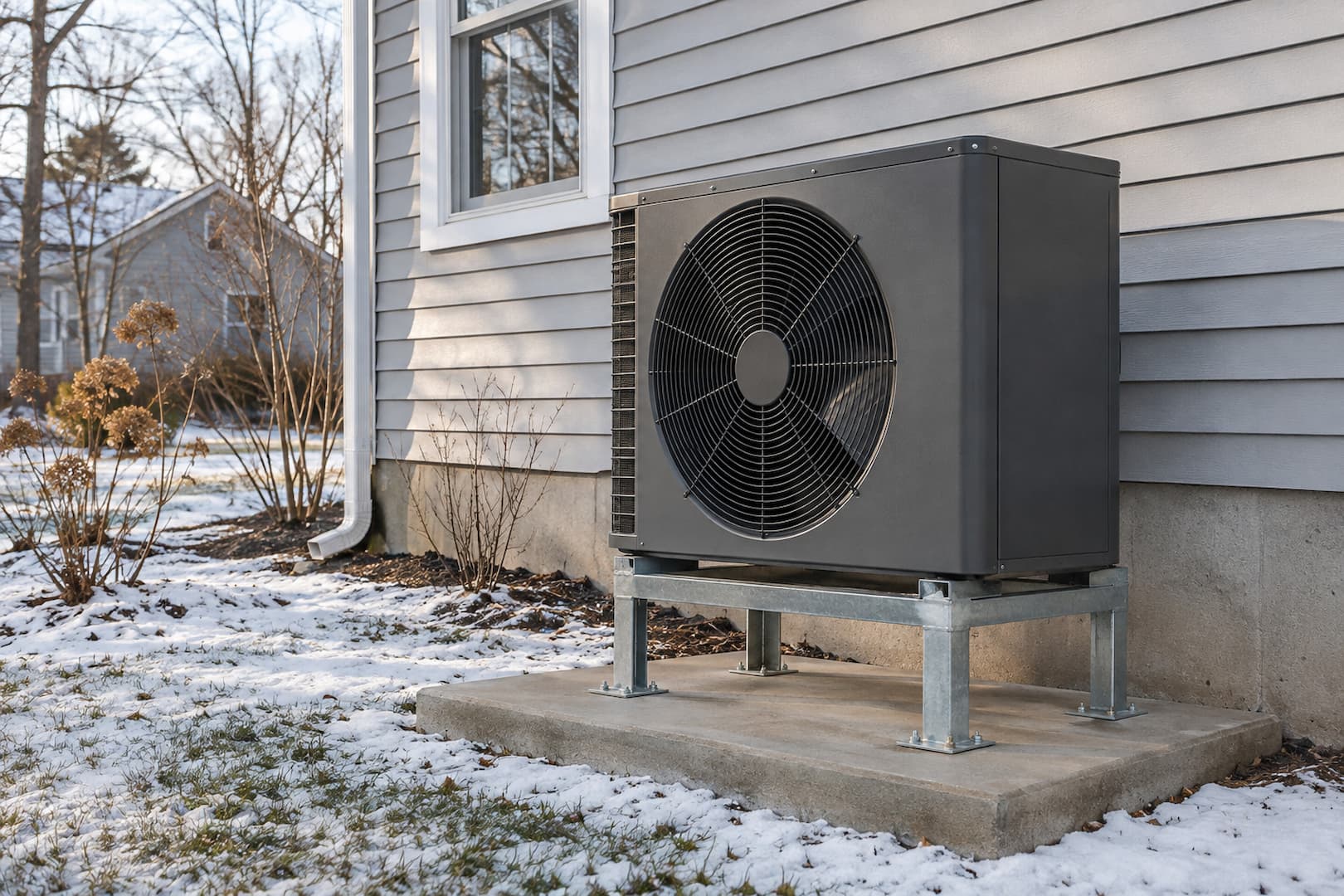
Outdoor placement matters in winter. The installer should account for snow clearance, defrost-water drainage, service access, and runoff from roofs or gutters. Water should not create an icy walking route. NEEP’s contractor question checklist also highlights mounting, potential vibration near bedrooms, and electrical-service requirements. Ask to see the proposed location before installation day.
Where natural gas is not already connected, confirm service availability and connection work before budgeting a furnace installation. A gas furnace quote needs to identify any venting or combustion-air changes, gas connections, condensate handling where applicable, and removal work. Changing furnace type may change those requirements even if the replacement fits the same space. For either option, confirm permit responsibilities, startup checks, and the exact model numbers in writing. A vague equipment allowance makes meaningful price comparison difficult.
How the heat will feel, and what you may hear
If you are used to a furnace, a heat pump may feel different at the register. Its supply air can be less hot while still keeping the room at the set temperature, and it may run for longer periods. Judge comfort by the room temperature and how evenly the house heats, rather than expecting the same short burst of hot air.
The control design matters too. Variable-capacity heat pumps and modulating furnaces can adjust output as demand changes, so fuel type alone does not tell you how often equipment will cycle. Discuss normal thermostat use at handover, including recovery from setbacks. A large morning temperature increase can call for backup on some heat-pump systems; follow the instructions for the controls actually installed.
For sound, consider the indoor blower and duct noise as well as the outdoor fan and compressor. A unit that will operate through winter deserves careful placement near bedrooms and neighboring windows. Ask about equipment sound data, mounting, and vibration isolation. An oversized system pushing air through a restrictive return can remain noisy even after the old equipment is gone.

Maintenance, combustion safety, and power outages
Both options need accessible filters, clear airflow paths, and professional maintenance appropriate to the equipment. A heat pump has indoor and outdoor components operating across heating and cooling seasons. A furnace needs combustion and venting checks as well as attention to its blower and controls. Dual fuel retains both sets of equipment; it does not remove the furnace’s maintenance requirements.
The CPSC recommends annual inspection and service of home heating systems, including chimneys and vents, and CO alarms on every level and outside sleeping areas. Follow alarm instructions and use battery-operated alarms or alarms with battery backup. A heat pump does not burn fuel in the home, but other combustion sources can still make CO alarms necessary.
A modern gas furnace also needs electricity for components such as controls, ignition, and the blower. Keeping gas heat therefore does not, by itself, keep the house heated during a power outage. Heat pumps and electric backup heaters need power too. If outage heating is a priority, discuss a separately designed backup-power arrangement and its required capacity with qualified professionals.
Bring these questions to a replacement estimate
- What is the heating load at the local design temperature? Ask how the chosen equipment and any backup meet it.
- What changes do the ducts and rooms need? Identify comfort problems and planned insulation work before final sizing.
- What is being replaced for cooling? Compare complete systems, including the indoor coil, blower, and controls.
- How will backup or fuel changeover operate? Get the intended settings and operating explanation for your actual equipment.
- What assumptions support the running-cost estimate? Check rates, seasonal performance, backup use, and fixed charges separately.
- Which installation work is included? Confirm electrical, venting, drainage, permits, removal, and startup responsibilities.
City Ventilations provides heat pump installation and furnace replacement in Monroe Township and surrounding Central New Jersey communities. To compare options for your home, request an installation estimate with your equipment model numbers, recent energy bills, and the rooms that are hardest to keep comfortable. Tell us whether you are replacing heating alone or planning a full heating-and-cooling upgrade.
